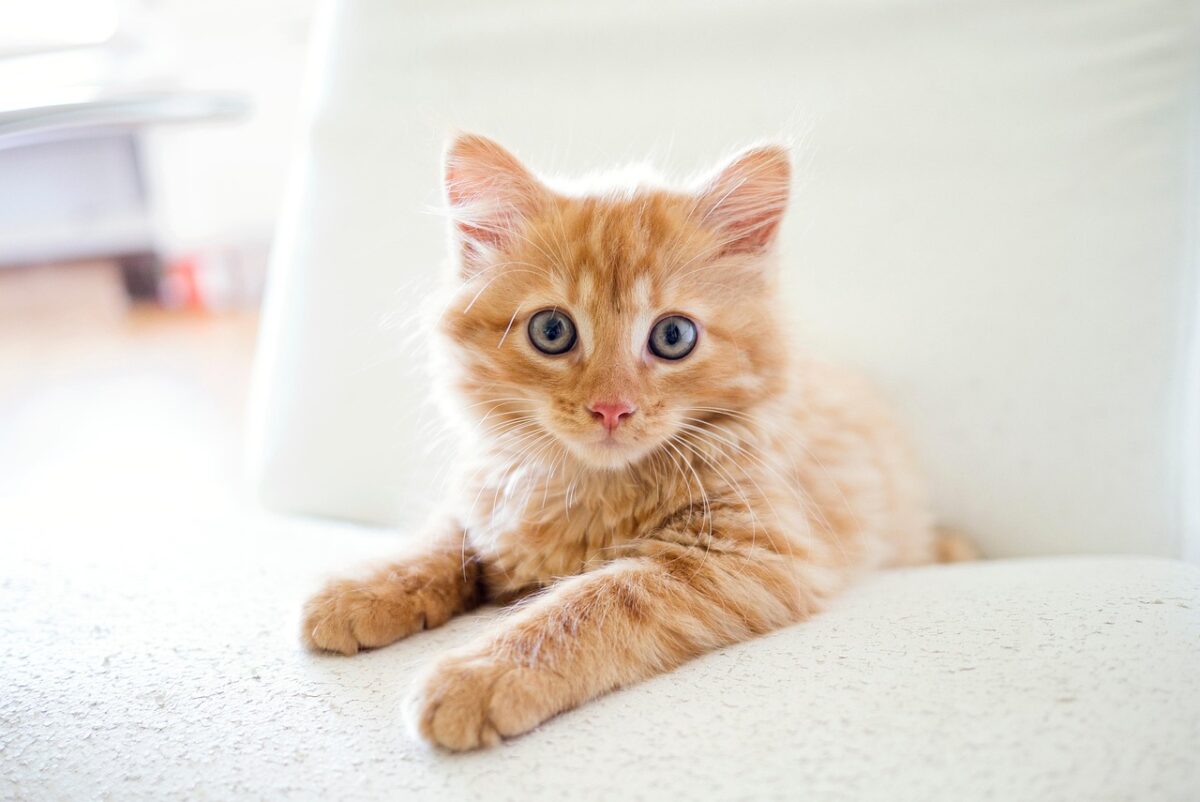
Gastrointestinal (GI) diseases are among the most common health concerns in cats, often presenting as chronic vomiting, diarrhea, weight loss, or loss of appetite. Because these symptoms can overlap with many conditions, accurate diagnosis is essential to ensure the right treatment plan. Veterinarians rely on a combination of laboratory tests and histopathology analysis to uncover the underlying causes of feline GI issues. This guide breaks down the essential diagnostic steps and why they matter for your cat’s health.
Common Gastrointestinal Diseases in Cats
Before diving into the diagnostics, it’s important to understand the most frequent GI conditions in felines:
-
Inflammatory Bowel Disease (IBD) – A chronic inflammation of the intestinal lining.
-
Parasitic Infections – Such as giardia, roundworms, or hookworms.
-
Bacterial and Viral Infections – Including salmonella, feline panleukopenia, or coronavirus.
-
Food Allergies or Intolerances – Triggering chronic digestive upset.
-
Gastrointestinal Lymphoma – A type of cancer often mimicking IBD symptoms.
Since the clinical signs often overlap, laboratory and histopathology testing are critical for distinguishing between these conditions.
Step 1: Laboratory Tests
1. Blood Work
-
Complete Blood Count (CBC): Helps detect infection, anemia, or inflammation.
-
Serum Biochemistry: Evaluates liver, kidney, and pancreatic function to rule out systemic diseases that mimic GI issues.
-
Cobalamin and Folate Levels: Low levels may indicate malabsorption in the small intestine.
2. Fecal Analysis
-
Detects parasites, bacterial overgrowth, or abnormal digestion.
-
Includes microscopic examination and sometimes PCR (polymerase chain reaction) testing for infectious agents.
3. Urinalysis
-
Provides additional insights into hydration status and systemic diseases that may impact digestion.
4. Specialized Tests
-
Pancreatic Lipase Immunoreactivity (PLI): Evaluates for pancreatitis.
-
TLI (Trypsin-Like Immunoreactivity): Screens for exocrine pancreatic insufficiency.
These lab results guide veterinarians toward or away from specific GI conditions, but they may not provide a definitive answer.
Step 2: Imaging Studies
While not strictly laboratory work, imaging often complements the process:
-
Ultrasound reveals intestinal wall thickness, lymph node enlargement, and structural changes.
-
X-rays detect foreign bodies or severe obstructions.
Step 3: Histopathology Analysis
When lab tests and imaging don’t yield conclusive results, histopathology becomes the gold standard.
What Is Histopathology?
Histopathology involves examining tissue samples under a microscope to identify cellular changes in the intestinal lining.
How It’s Done
-
Endoscopic Biopsy: A minimally invasive procedure using a flexible scope to collect samples from the stomach and upper small intestine.
-
Surgical Biopsy: Provides full-thickness samples from different parts of the GI tract, offering more detail.
What It Reveals
-
Differentiates IBD from lymphoma, two conditions with very similar symptoms but vastly different treatments.
-
Identifies the type and severity of inflammation.
-
Detects cancer cells, infections, or other abnormalities.
Why Accurate Diagnosis Matters
Cats with GI symptoms often undergo trial therapies like dietary changes or deworming. However, without proper diagnostics, underlying conditions may progress unnoticed. Histopathology combined with lab tests ensures:
-
Correct treatment (e.g., steroids for IBD vs. chemotherapy for lymphoma).
-
Avoiding unnecessary or ineffective treatments.
-
Early detection of serious diseases.
Key Takeaways
-
Lab tests (blood work, fecal exams, urinalysis, specialized assays) are the first step in diagnosing feline GI issues.
-
Imaging provides supportive evidence of structural abnormalities.
-
Histopathology remains the most definitive tool, particularly in differentiating between inflammatory and neoplastic conditions.
For cat owners, recognizing the importance of these diagnostic tools can make the difference between prolonged suffering and effective, targeted treatment. If your cat experiences persistent digestive problems, consult your veterinarian and discuss the possibility of laboratory testing and biopsy analysis.