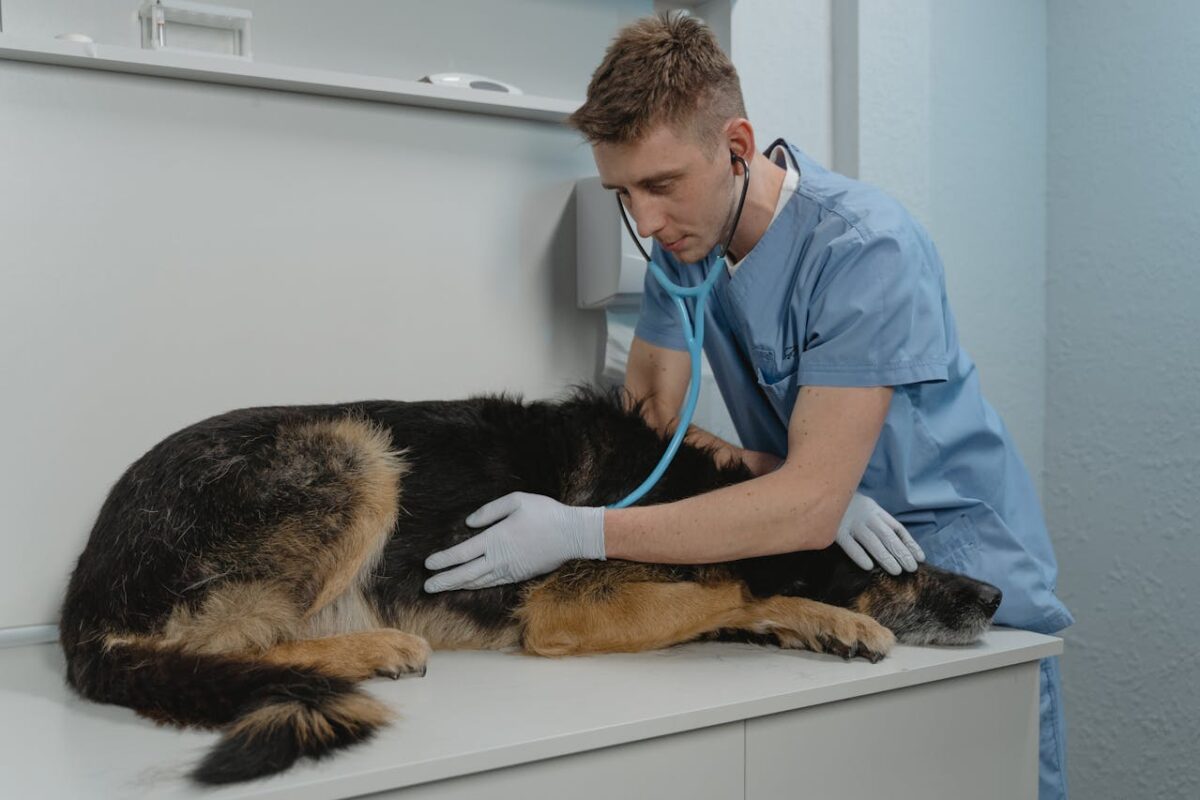
Navigating the complexities of perioperative pain management can be a challenging yet crucial aspect of veterinary care. The goal is to alleviate pain while minimizing side effects, ensuring a smooth recovery for the patient. This requires a tailored approach that considers the specific needs of each animal and the nature of the surgery they undergo.
For instance, a young animal undergoing a routine procedure like castration may require a different pain management strategy compared to an older animal facing a more invasive surgery such as an amputation. It’s a common misconception that simpler procedures require less postoperative care. In reality, every patient deserves effective pain relief to facilitate a quicker and more comfortable recovery.
A multi-modal pain management strategy is often the most effective. This approach combines different types of pain relief methods to achieve balanced analgesia, reducing the reliance on any single medication and thereby minimizing potential side effects. Non-steroidal anti-inflammatory drugs (NSAIDs) are frequently used, especially in cases involving orthopedic surgery. However, the choice of NSAID, its dosage, and frequency must be carefully considered to avoid complications.
Incorporating local anesthetics can be particularly beneficial. Administering a long-acting local anesthetic directly at the surgery site can provide significant pain relief without the need for higher doses of systemic medications. This not only helps in managing pain effectively but also reduces the potential for side effects associated with systemic drugs.
Before any surgical intervention, a thorough evaluation of the patient is essential. This includes a complete physical examination and a review of the animal’s medical history and any previous anesthetic experiences. Such assessments help in crafting a customized anesthetic plan, which is critical not only for the surgery itself but also for postoperative pain management.
Post-surgery, the focus shifts to managing pain through various modalities. Local blocks, for example, can provide targeted pain relief for several hours. Innovations like liposomal bupivacaine extend this duration even further, offering comfort at the surgical site for up to three days. Oral medications play a significant role as well. Drugs like gabapentin and pregabalin, which act on nerve signals, are options, although their dosing needs careful management due to their rapid metabolism in animals.
The choice of NSAIDs should be guided by their specificity in inhibiting pain pathways with minimal side effects. Options like carprofen and meloxicam are favored for their efficacy and lower risk of gastrointestinal upset. Newer drugs like grapiprant offer additional choices, particularly for managing chronic conditions like osteoarthritis, and may also be useful in acute pain scenarios.
Beyond pharmaceuticals, alternative therapies such as cold laser therapy, acupuncture, and physical therapy can enhance recovery. These treatments can help reduce inflammation and improve mobility, contributing to a holistic recovery plan.
Ultimately, effective perioperative pain management is about understanding the unique needs of each patient and the specifics of the intended surgical procedure. By combining a thorough preoperative assessment with a strategic blend of pharmacological and non-pharmacological treatments, veterinarians can ensure their patients experience minimal discomfort and a swift return to health. This not only aids in the animal’s recovery but also supports the bond between the pet and their owner, reinforcing the trust placed in their veterinary care provider.